September is PCOS Awareness Month and it aims to increase awareness, support, and research for Polycystic Ovary Syndrome (PCOS), a common hormonal disorder among women of reproductive age. In this blog, we’ll dive into symptoms, diagnosis and management of PCOS. Let’s start with what exactly is PCOS? While there is no clear environmental cause a person needs to meet at least two of the following three symptoms to be diagnosed with PCOS:
- Irregular or absent ovulation (oligo/anovulation)
- Signs of high androgen levels (e.g. acne, hirsutism, male-pattern hair loss)
- Polycystic ovaries on ultrasound
- Insulin resistance may be central but not definite PCOS can affects everyone not just overweight individuals
It’s Underdiagnosed and Misunderstood
Despite being one of the most common hormonal disorders affecting 1 in 10 people of reproductive age, PCOS is still widely misunderstood. Many people go years without a diagnosis, despite having classic symptoms like irregular periods, weight gain, or excess facial hair. Worse, it’s often brushed off with dismissive comments like “just lose weight” or “it’s normal to have acne,” which invalidates real suffering.
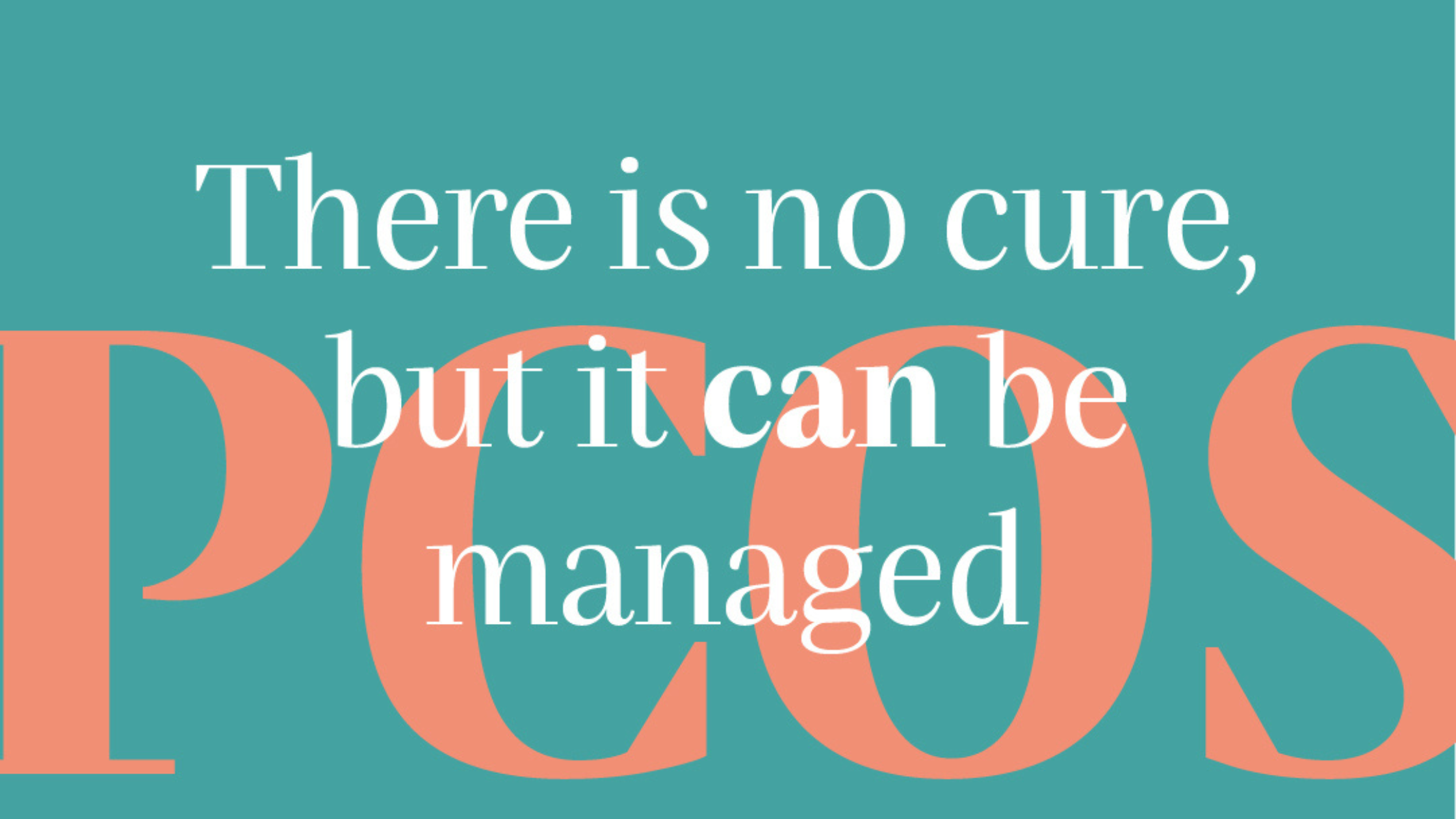
There is No Cure, but it Can Be Managed
One of the most disheartening parts of PCOS is there is no cure, however it may be managed. A patient may be prescribed medications, but these don’t treat the root cause. Lifestyle changes like diet and exercise can help but again, PCOS doesn’t always respond predictably. Some management options may include:
- Lifestyle changes (diet, exercise)
- Hormonal birth control
- Metformin
- Fertility medications (e.g., letrozole or clomiphene)