
Can a Surrogate Provide Breastmilk?
The answer is yes, and many intended parents and surrogates choose an arrangement that works for all parties together. Surrogates can make informed, compassionate choices with the support of physicians, their surrogacy agency and intended parents. So what’s the perspective of Maternal-Fetal Medicine Doctor?
Can a Surrogate Lactate and Provide Milk?
Yes. A surrogate who has just delivered a baby will naturally produce breastmilk, just like any postpartum birthing person. If both the surrogate and the intended parents agree, she can pump and supply breastmilk for the baby. This arrangement can range from providing milk for a few days to several months, depending on health considerations, and agreement between surrogate and intended parents. Read below for our storage and shipping recommendations.
What Do Maternal-Fetal Medicine Doctors Say?
Many physicians and pediatricians generally agree that breastmilk is the optimal source of nutrition for newborns. According to the American Academy of Pediatrics (AAP), breastmilk is recommended for about the first six months of life. Breastmilk provides essential nutrients, antibodies, and immune support. In surrogacy arrangements, if the surrogate is willing and able to provide breastmilk, many pediatricians and neonatologists see it as a beneficial option, provided it’s safely collected, stored, and transported.
Our Maternal-Fetal Medicine specialists have much experience in surrogacy cases and agree that breastmilk from the surrogate can be beneficial to the gestational carrier, child and intended parents. It can also lower the risk of certain cancers, chronic diseases and obesity for the surrogate while fostering continued trust in the surrogacy arrangement with intended parents.
Emotional Considerations
The choice to provide or receive surrogate breastmilk is emotional and deeply personal. Some surrogates feel a strong desire to support the baby post-birth, while others may prefer to focus on healing and closure. Both perspectives are entirely valid.
Likewise, intended parents may feel a mix of gratitude, guilt, or even hesitation. It’s important for all parties to talk openly—with the help of a maternal fetal medicine doctor with experience in surrogacy doula, therapist or psychologist if needed. Mitera offers sessions for both surrogates and intended parents to discuss the physical and psychological impact of these decisions. https://plum-rail-950489.hostingersite.com/book-your-appointment/
Remember: there is no “right” decision—only the one that best supports the well-being of the surrogate, the baby, and the parents.
Logistics and Medical/Health Screening
If a surrogate decides to provide breastmilk, several practical steps ensure it is safe and beneficial:
- Health Screening: The surrogate should be screened for infectious diseases, including HIV, Hepatitis B and C, and syphilis—just as milk donors are in formal milk banks.
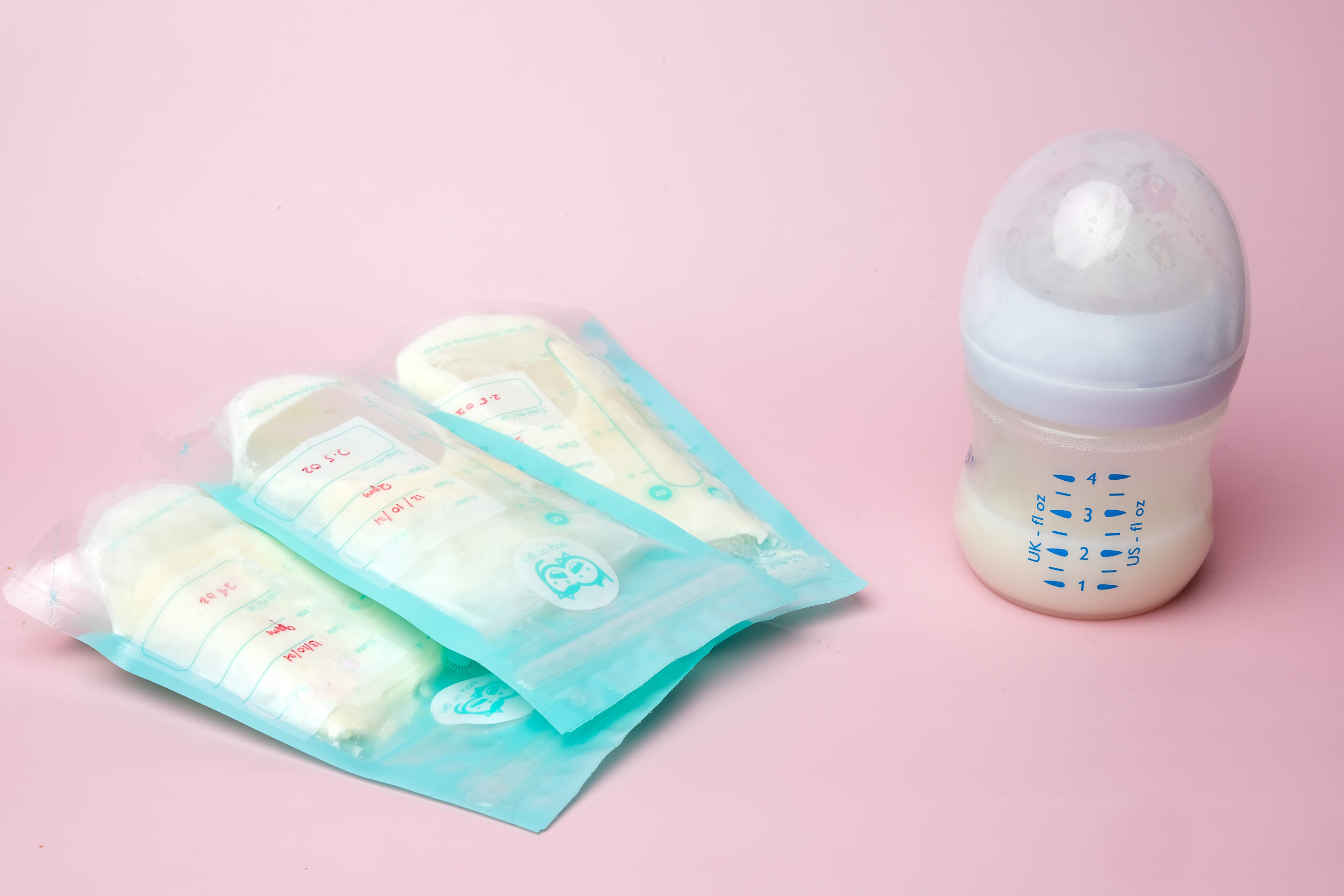
- Storage and Shipping: Breastmilk must be properly expressed, stored in sterile containers, and frozen if not used immediately. There are services that specialize in shipping breastmilk safely across distances.
- Pumping Schedule: Maintaining milk supply requires regular pumping (every 2–3 hours initially), which is a commitment in time and effort.
Lactation consultants can offer guidance on milk expression, storage, and feeding, and are a vital part of the care team.
Alternatives: Induced Lactation and Donor Milk
For intended parents who wish to provide breastmilk themselves, some choose to pursue induced lactation. With the help of hormonal therapy and consistent pumping, a non-birthing parent (including fathers and adoptive mothers) may be able to produce some breastmilk.
Others may consider donor milk from certified milk banks, especially for premature or medically fragile infants. These options are all valid and loving ways to nourish a baby.
Any decision involving surrogate breastmilk should be discussed early in the surrogacy journey, with the guidance and support from:
- A surrogacy agency
- Reproductive endocrinologists
- Psychologists
- Lactation consultants
- Legal professionals (to include this in contracts, if needed)
All parties should feel informed, supported, and empowered to express their boundaries and wishes.
Resources:
- American Academy of Pediatrics (AAP) – www.aap.org
- Human Milk Banking Association of North America – www.hmbana.org
- International Lactation Consultant Association – www.ilca.org